Swamp Quarry #1, also known as the Swamp Mine, in Topsham, Maine, produced some of the most remarkable uraninite crystals ever discovered.
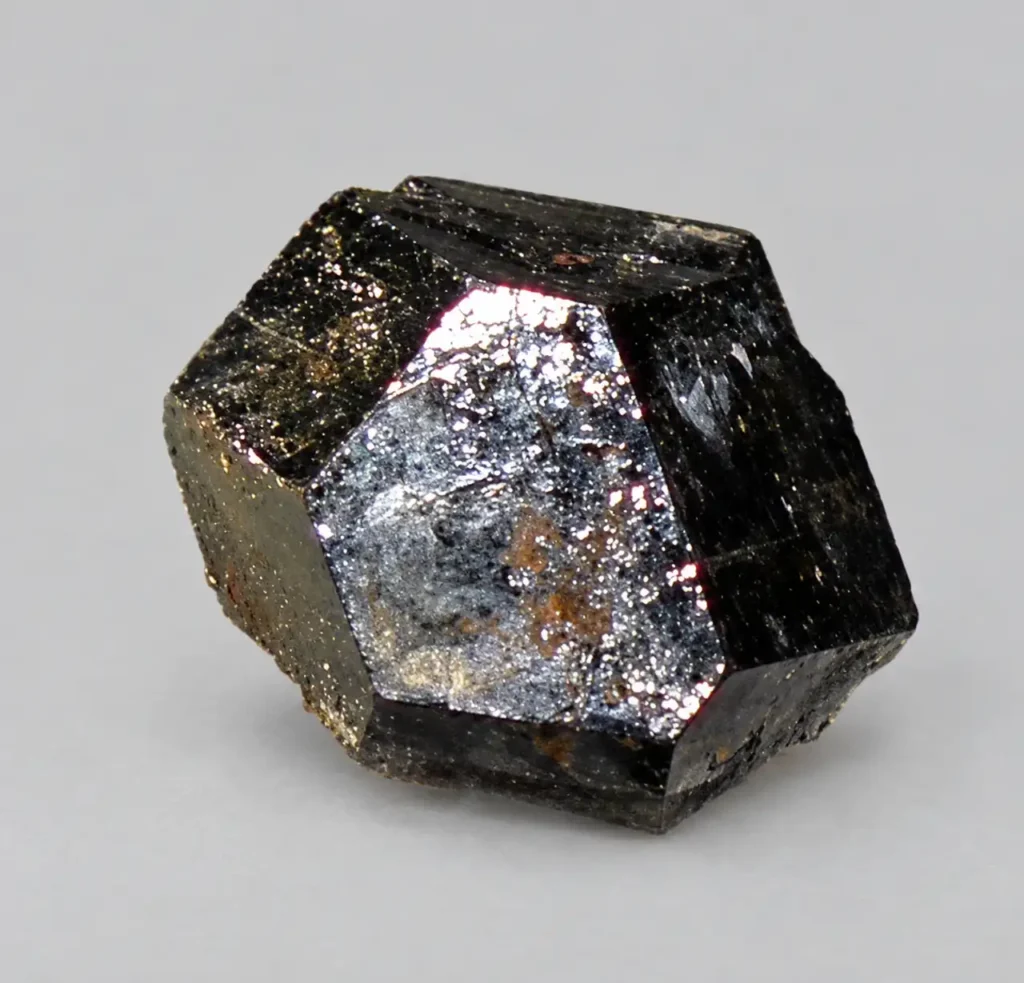
Unlike the massive and irregular forms commonly found elsewhere, the Swamp Mine became famous for exceptionally sharp, lustrous black crystals—some recovered as nearly perfect individual crystals with clean faces and well-defined edges.
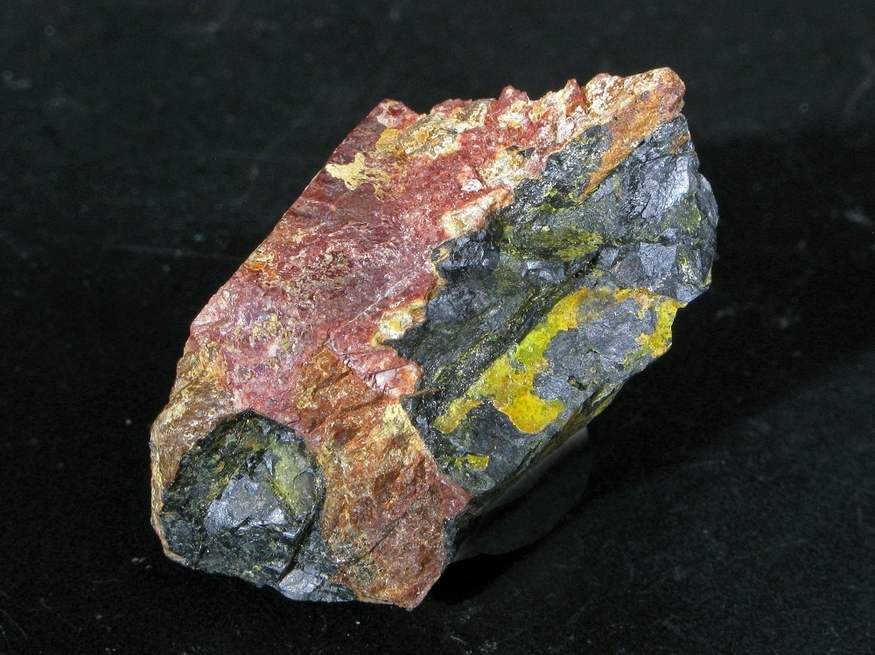
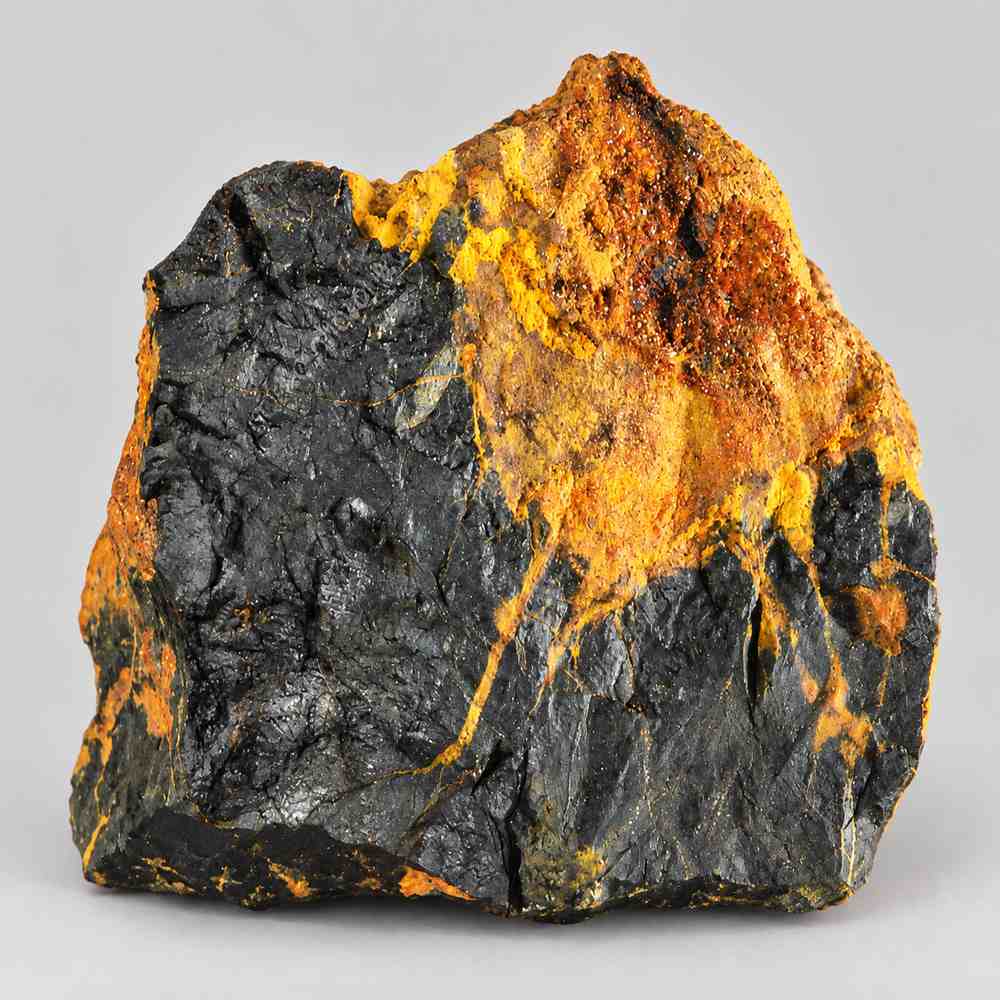
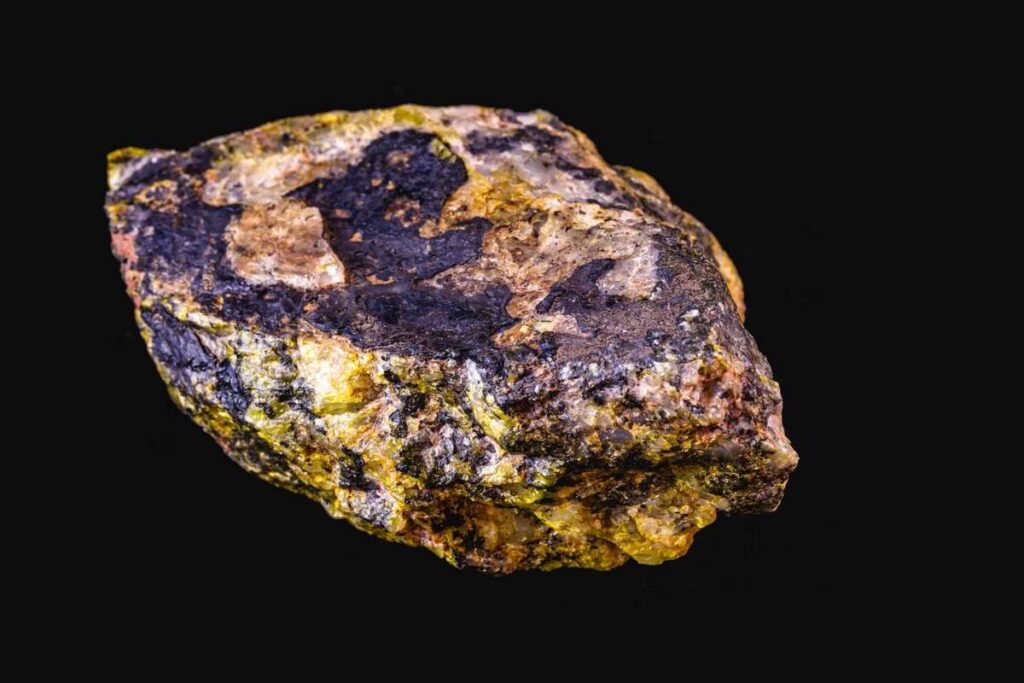
What is uraninite?
Uraninite is a naturally occurring uranium mineral
Composed of uranium oxide (UO2)
Occurs as crystals, rounded masses, or material embedded in other minerals
The black and yellow materials are uranium compounds
Naturally radioactive because of its uranium content
Occurs in several forms, from massive material to tiny well-formed crystals
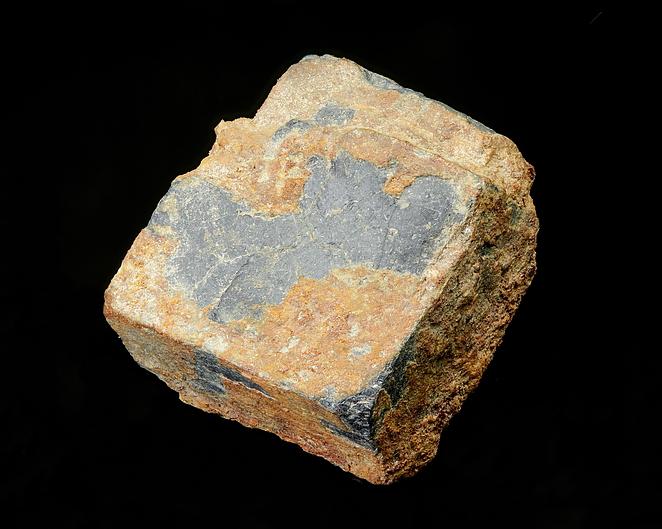
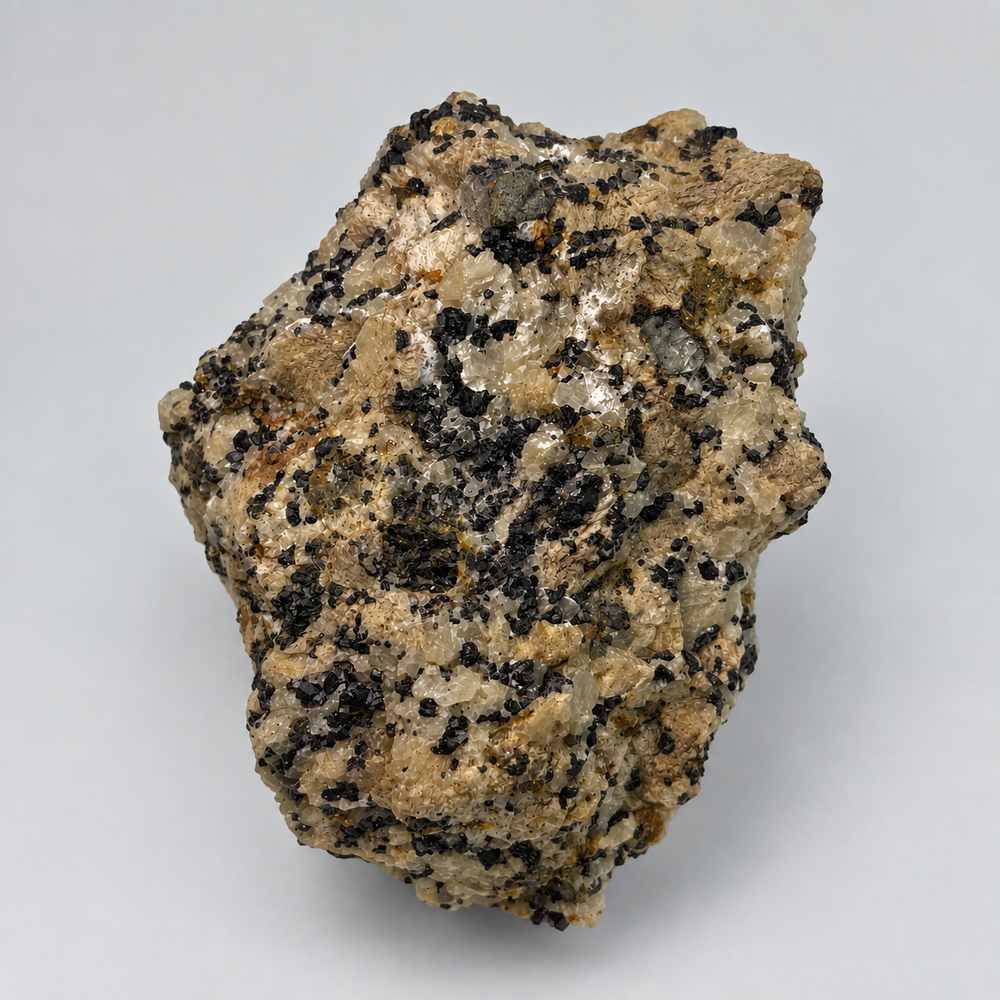
Some examples of uraninite
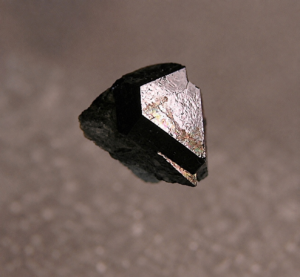
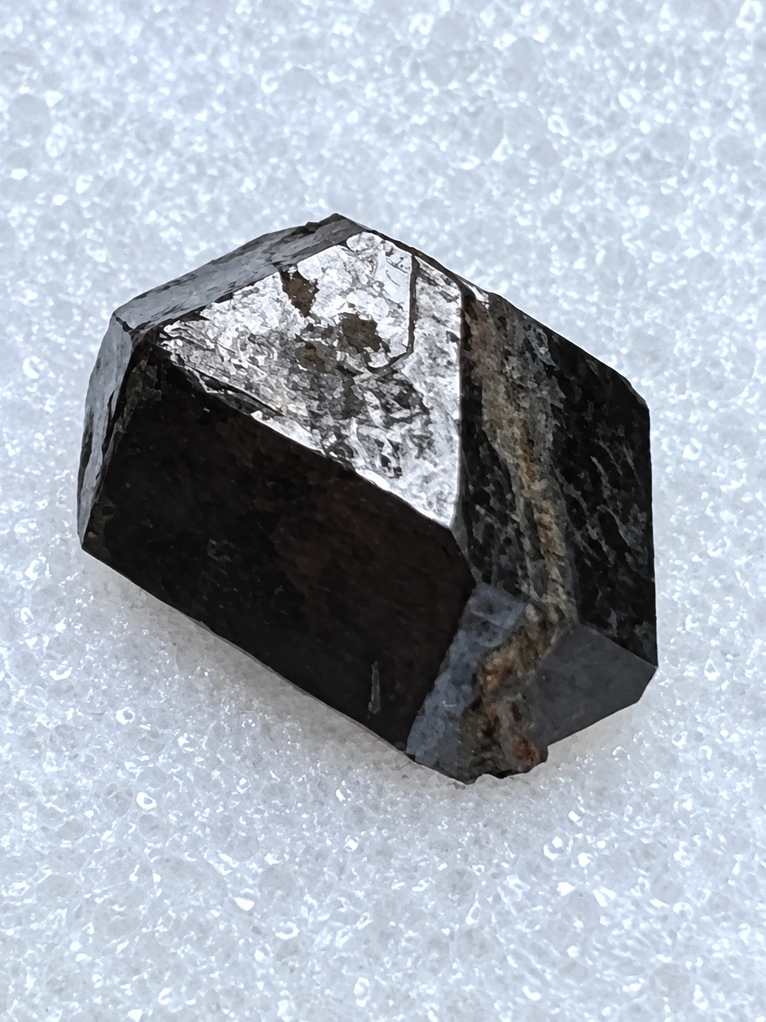
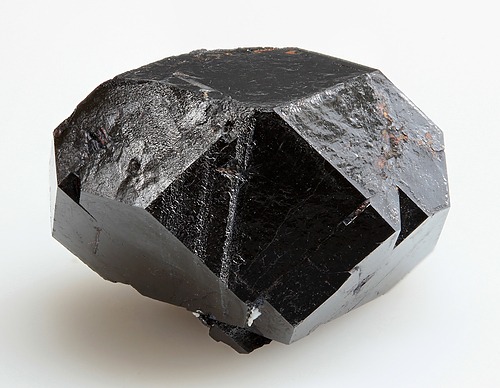
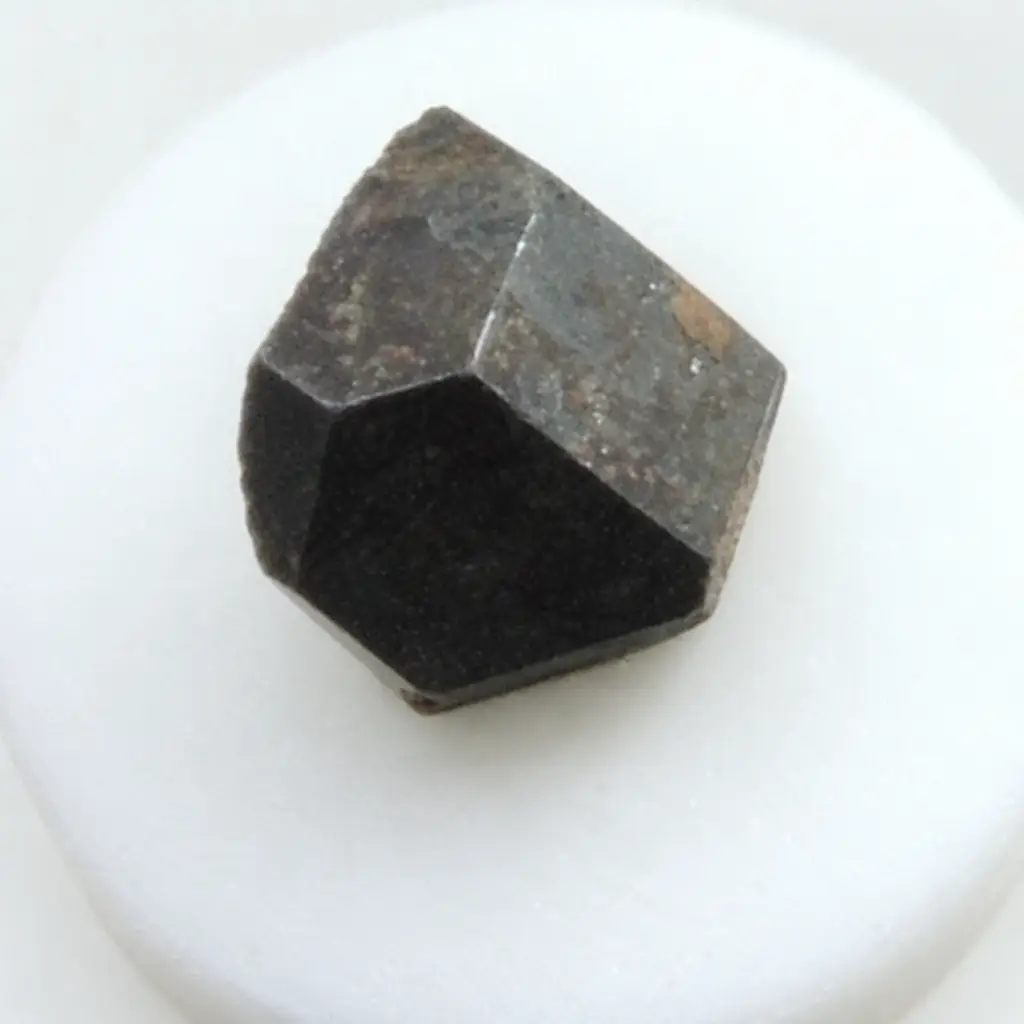
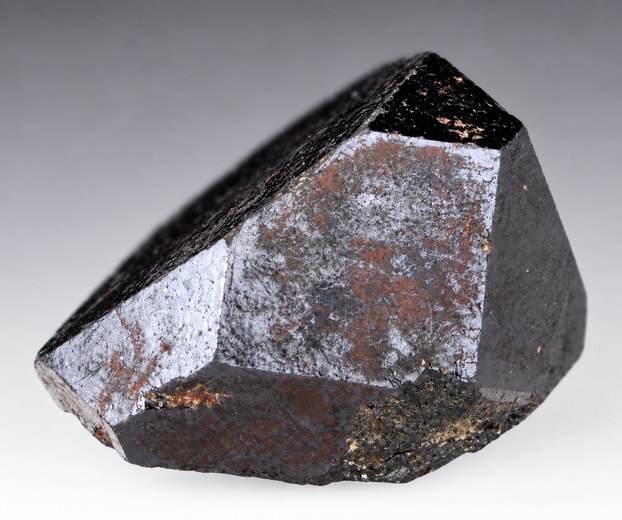
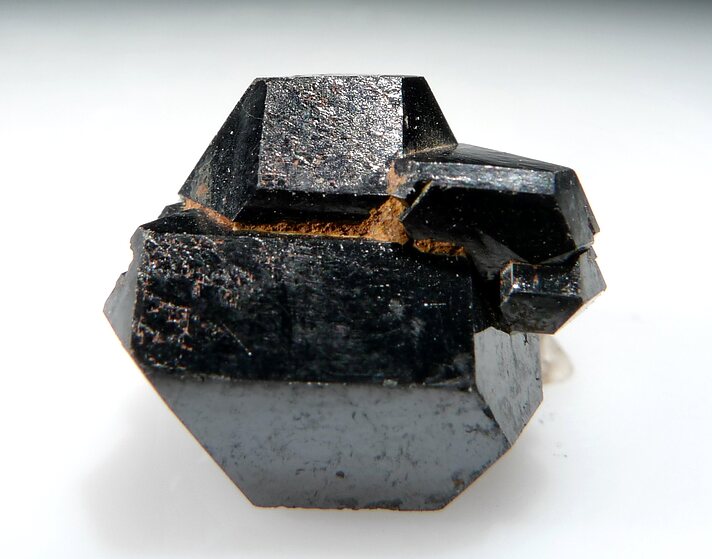
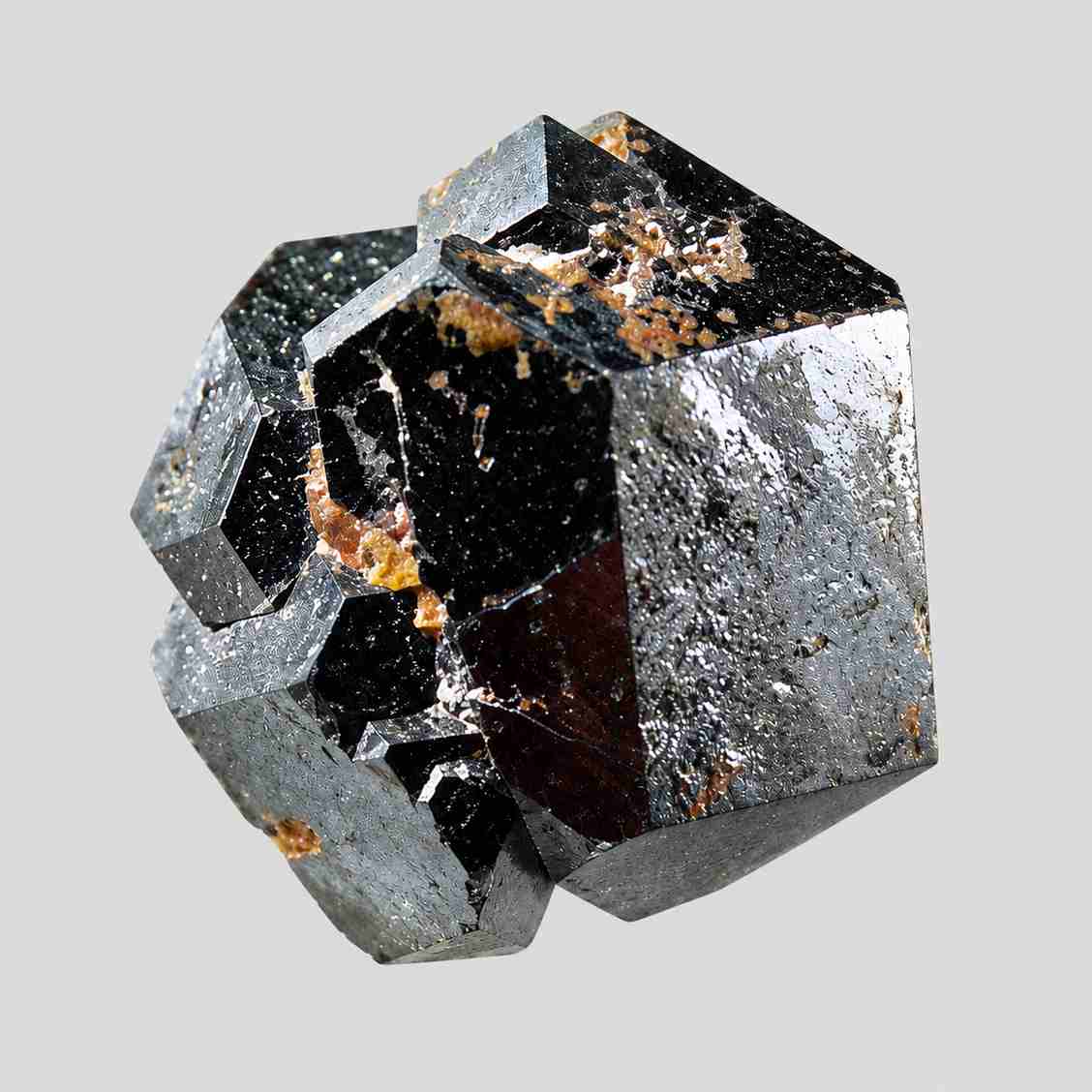
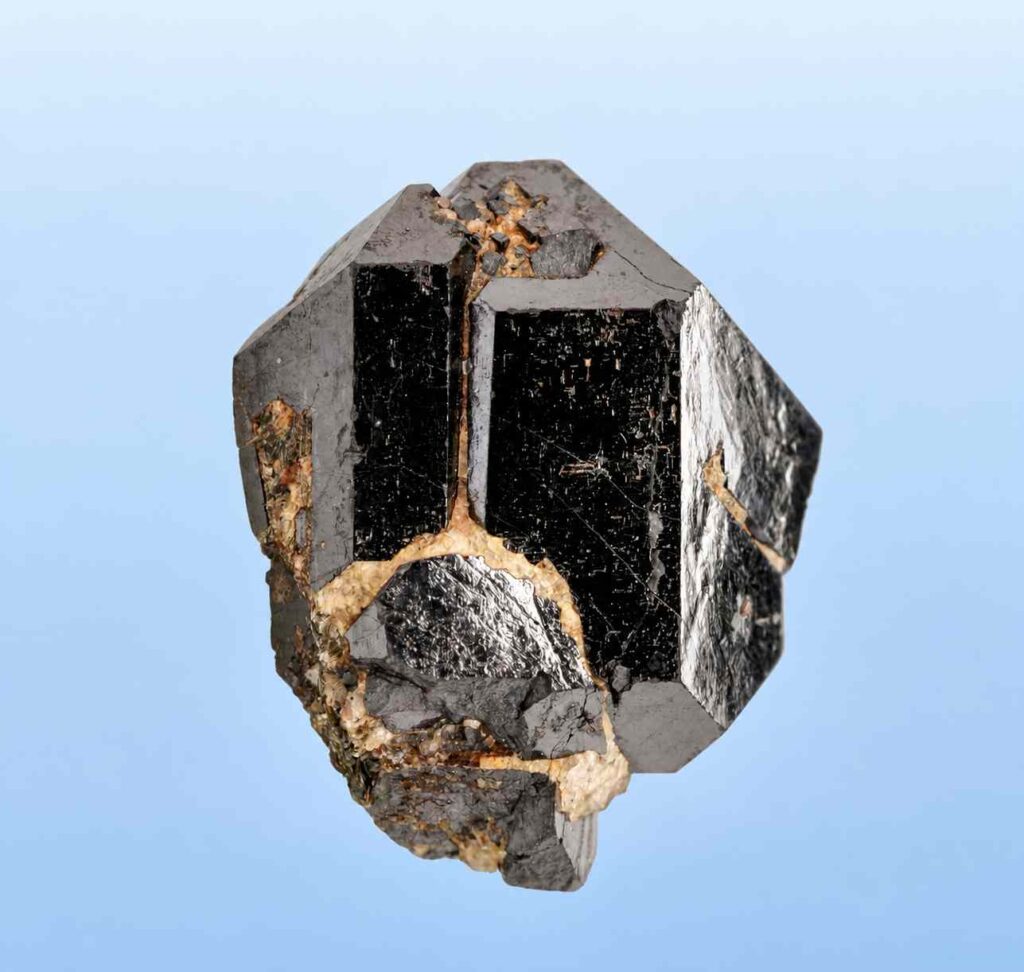
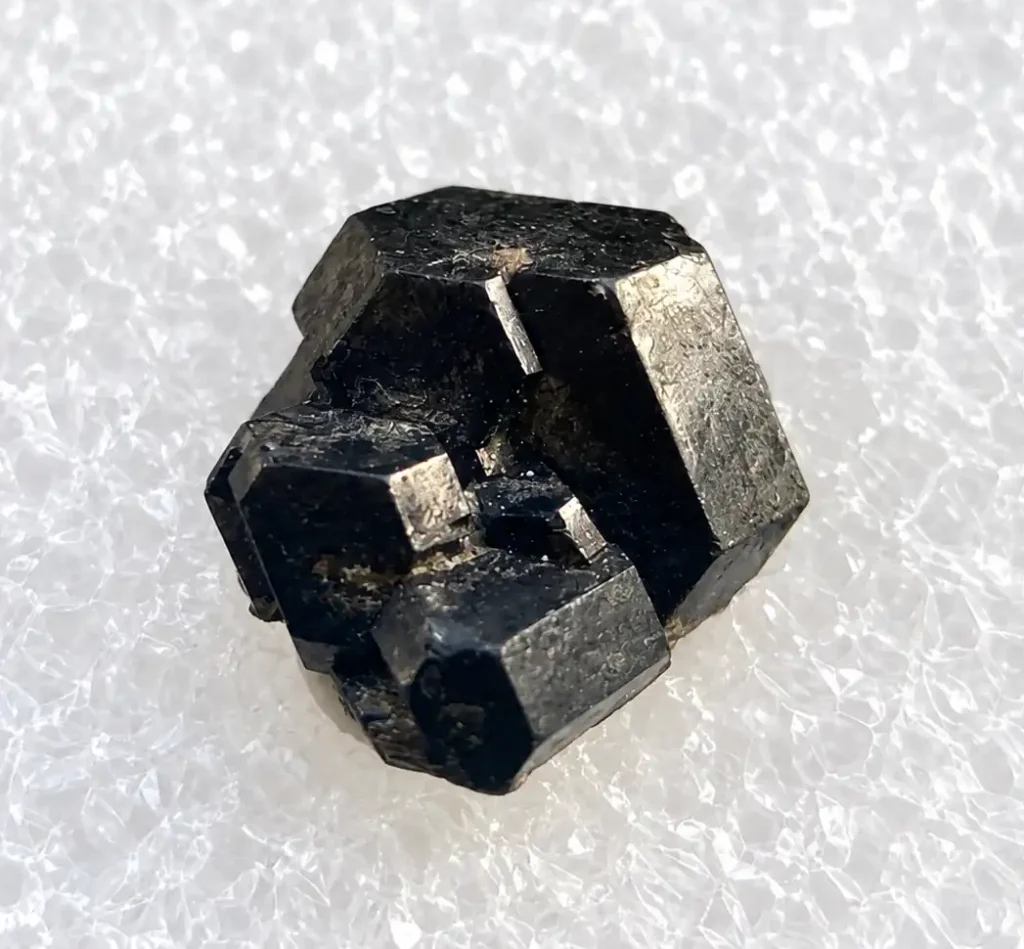
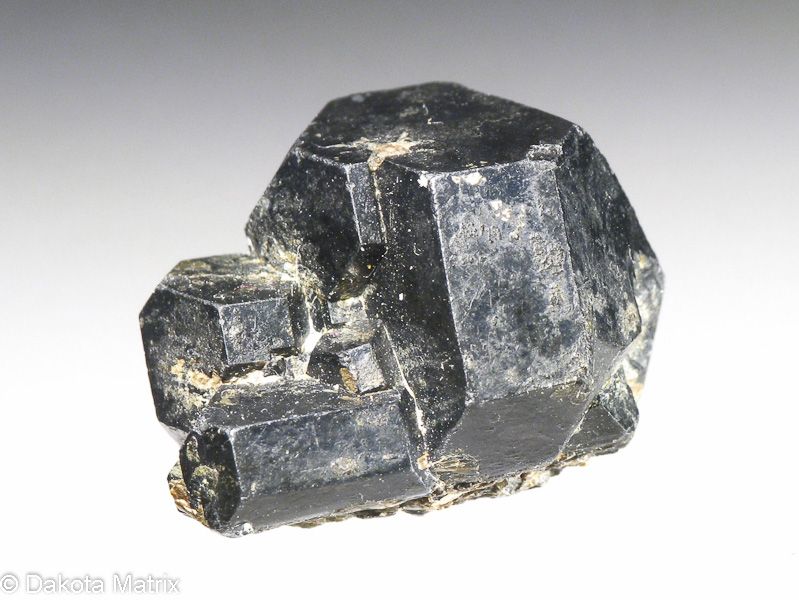
Uraninite crystals from Swamp Mine
Single crystals
Size ~ 5-12 mm
Group crystals
Size ~ 10-20 mm
Discovery of the Crystals
The locality became famous because Clifford Trebilcock discovered the uraninite crystals in 1958, when he was only 13. The site was an abandoned feldspar quarry. He and his family subsequently drained the quarry and recovered uraninite crystals that are now prized by mineral collectors and museums.
For years, Trebilcock kept the whereabouts of the crystals secret. However, Swamp Quarry #1 was identified in a geological publication in 1994. The quarry can also be located on USGS topographic maps, where its depression is visible. A protected land preserve was established in 2001, and mineral collecting is prohibited.
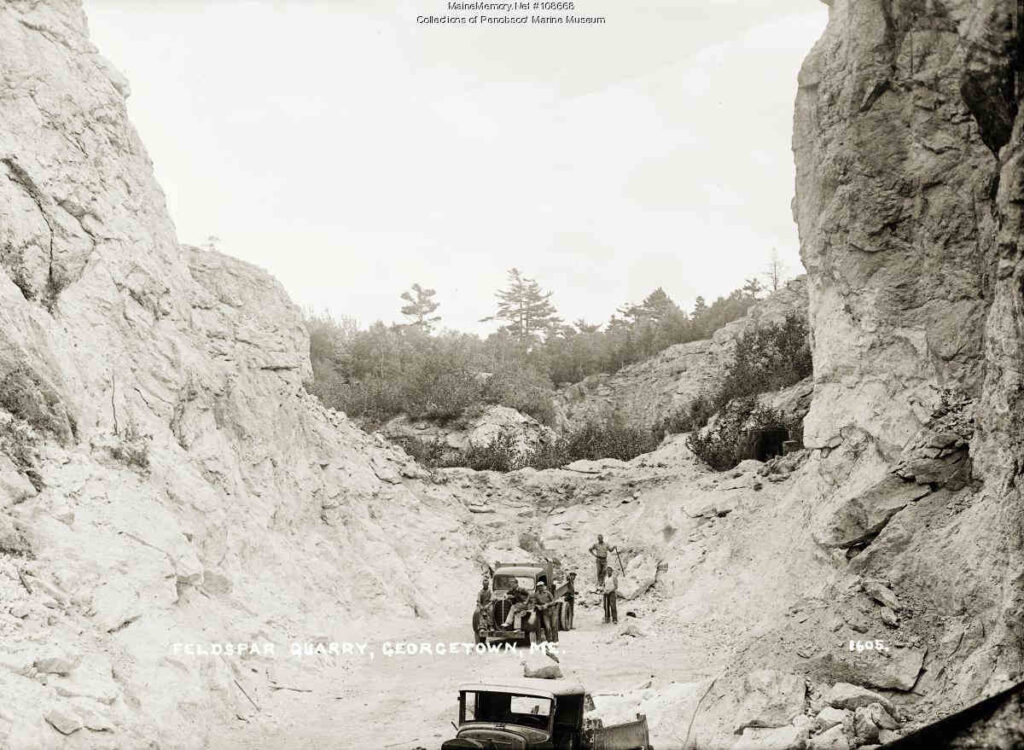
This open-pit illustrates the small-scale mining practiced at Swamp Mine. [6]
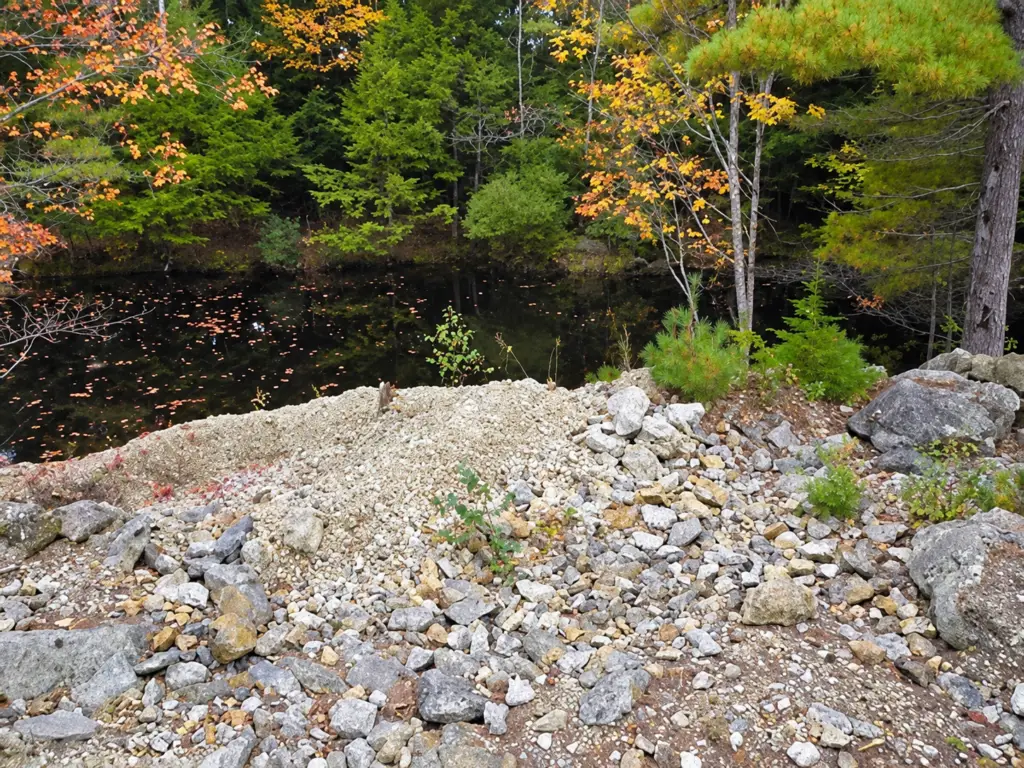
During feldspar mining, large quantities of broken granite pegmatite and unwanted rock were dumped around the quarry rim, forming waste-rock piles still visible today.
These dumps later became important to mineral collectors because many of Swamp Quarry’s finest uraninite crystals were recovered from the discarded rock. The jet-black crystals were found embedded in or attached to lighter-colored feldspar.
Feldspar was extracted from a large open pit using heavy machinery and blasting. After mining ended, the excavation was left open and eventually filled with groundwater and rainwater.
The basic commercial chain was:
Topsham granite pegmatite → quarry → hand sorting → feldspar → Topsham mill → ground feldspar → ceramic industry
The Appeal of Swamp Quarry Uraninite
8mm Swamp Quarry crystal
The discovery of uraninite crystals at Swamp Quarry #1 in the late 1950s brought the small feldspar quarry to the attention of mineral collectors. The crystals were remarkable for their deep jet-black color, brilliant luster, sharply defined edges, and exceptionally flat, well-developed crystal faces.
Most Swamp Quarry uraninite crystals are relatively small, typically measuring 5–15 mm, although larger specimens are known. Despite their modest size, their exceptional crystal form and striking appearance make them highly desirable among mineral collectors. For those who specialize in radioactive minerals, the natural radioactivity of uraninite adds another dimension of interest.
Today, most Swamp Quarry uraninite specimens are held in private collections or museums, and relatively few are available to collectors. Their limited availability, combined with their exceptional crystal quality, continues to make them highly sought-after specimens.
Recent photos of Swamp Mine
The water-filled quarry pit lies behind the rock dump.
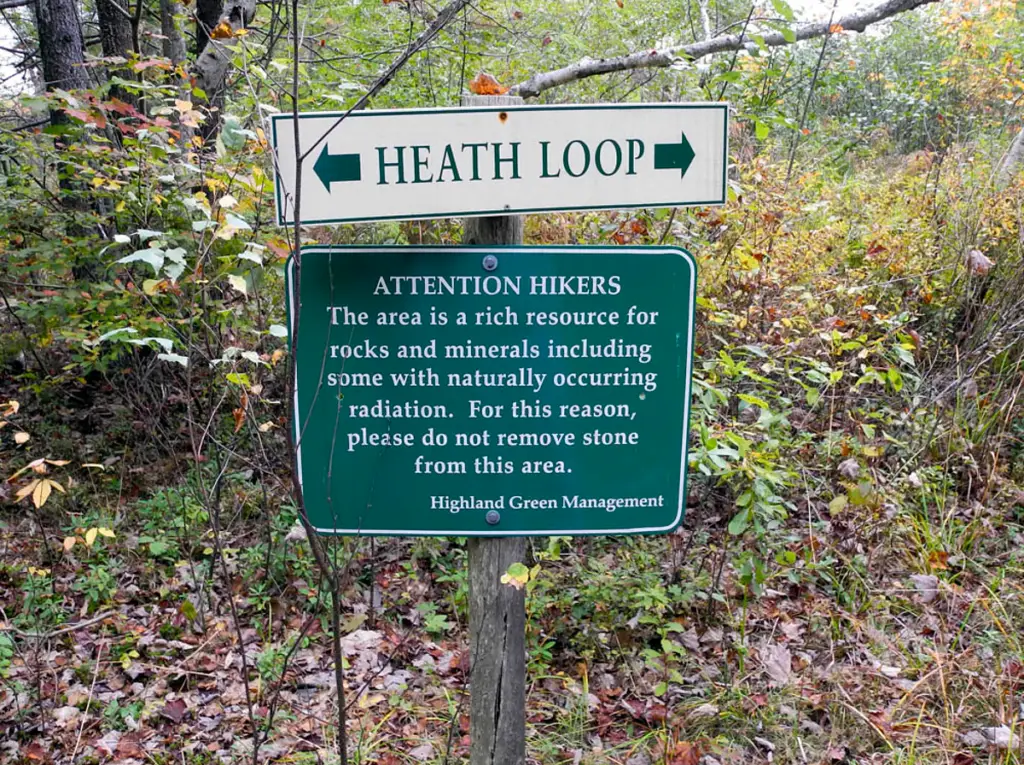
Warning sign at Swamp Quarry
The Swamp Mine is now closed to mineral collecting and lies within a protected area. The quarry and surrounding dumps remain radioactive, and signs warn visitors not to remove rocks.
Although collecting has ended, the mine has left an enduring legacy. Swamp Mine produced some of the finest uraninite crystals ever found—remarkable for their brilliant black luster, sharp crystal faces, and exceptional form.
The old quarry remains as a reminder of Topsham’s mining history and one of Maine’s most remarkable mineral discoveries.